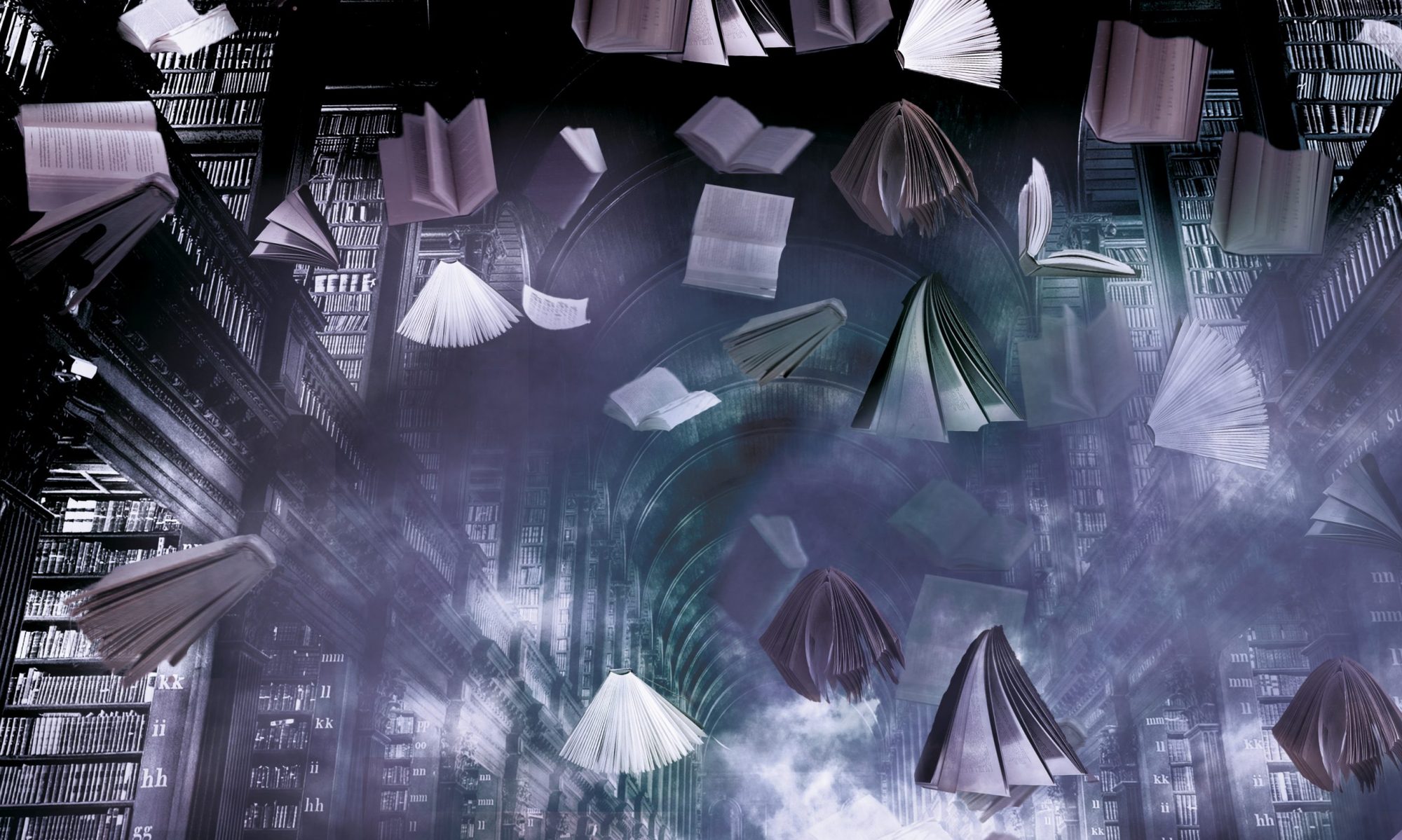
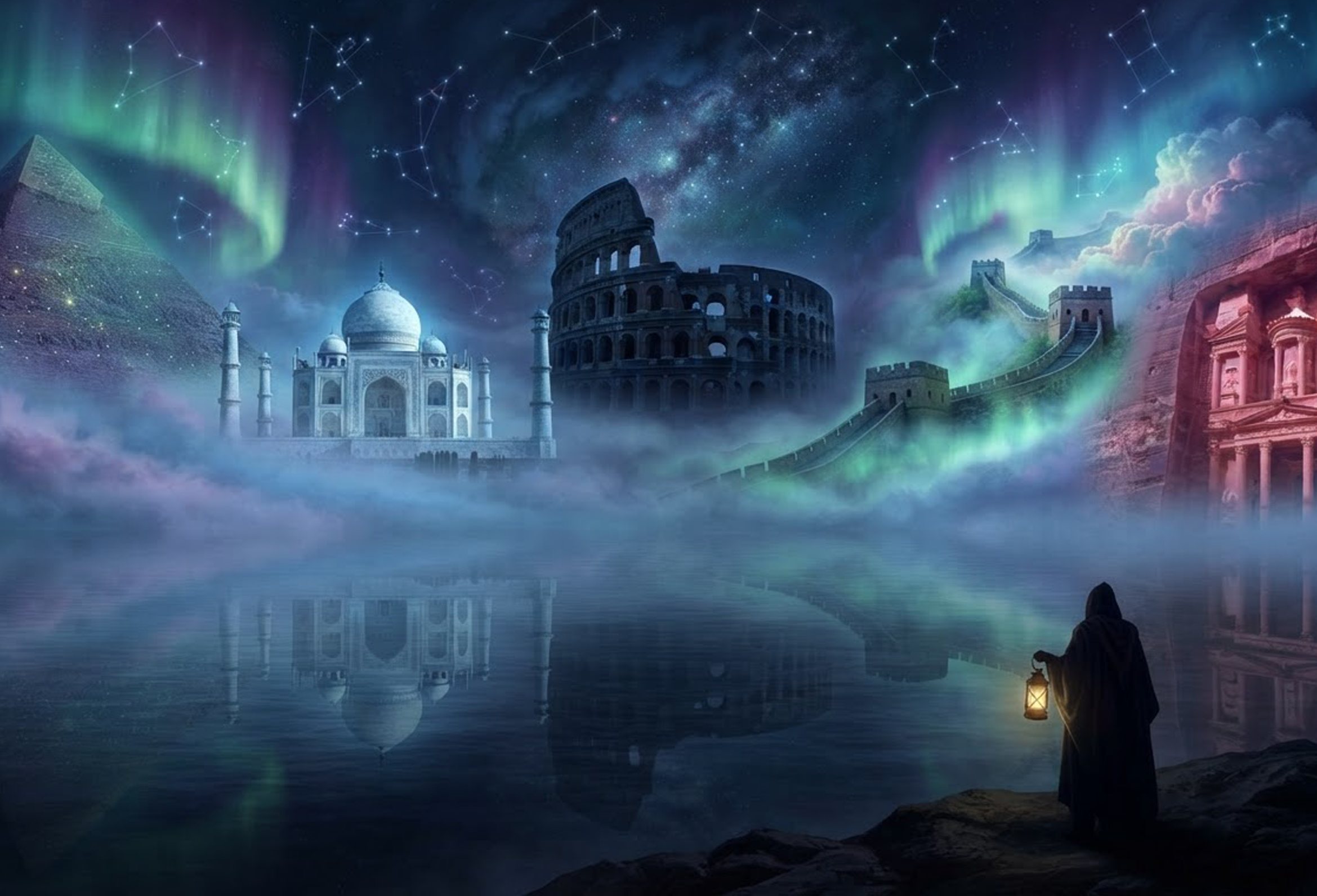
It seems like a simple question. A place has a location, a history, a setting. We can find it on a map, take photographs of it, describe it to someone who has never been there. But what makes it special to us? Perhaps it isn’t really about the place, but the idea of it in our minds?
Think about somewhere that means something to you. Perhaps the house where you grew up, or a beach you visited as a child. It could be a school, a park, a town or a particular room where something important happened.
When you think about it, you probably don’t picture just the physical location. Sure, you remember what it looked like, what happened, the sounds, the smells and the feelings. But maybe it was more about what you experienced while you were there? Who were you?
The physical place likely still exists, but the place in your memory is something much more than walls, streets or landscape. So, I’d like to suggest that it’s our interpretation of a place that makes it special to us. And this can lean on several pieces.
A place is more than its history
History can give a place a layer of meaning, and something special for us.
We can visit somewhere we’ve never been before and become fascinated by what happened hundreds of years ago. We might walk through an old building and wonder about the people who once lived within its walls. We might stand in a street and imagine the lives that unfolded there.
This is something I explore through the magical realms of The Word Guardians. Victorian London is one example, that Yas first visits with her mentor in Book 1 – The Battle for the Peacekeepers.
The London of today is obviously a real place. You may well have visited it and have your own memories of it. But when we think about Victorian London, we aren’t simply thinking about streets and buildings. We construct another London in our minds, related to what we remember of the present.
We imagine the people who walked those streets, the sounds and smells, the clothing, the conversations and the lives being lived behind closed doors.
History gives us fragments and our imagination fills in the rest. And this is the beauty of the realms in The Word Guardians. The realms are what we see in our mind’s eye as we read and a place that existed long before we were born becomes vividly real. And more than that, in The Word Guardians series, those that have the ability can visit it.
What about a place we have never physically visited at all, though? Yas and Sam visit Ancient Alexandria later in Book 1 – The Battle for the Peacekeepers.
In our imagination, we can walk its streets. We can picture its buildings and imagine a marketplace and people around us. We can almost hear the conversations. We’re there, in our minds and a place we have never seen can feel surprisingly real.
And perhaps this is where the boundary between place and imagination becomes interesting. If a place can exist physically, historically and imaginatively, which one is real to us?
You could argue that all three are. But again, I’d like to suggest that a place becomes truly special to us only when we bring something of ourselves to it.
The places we call home
Home isn’t necessarily the biggest house, the most beautiful landscape or even the place where we have spent the most time. Home is a feeling.
In The Word Guardians, Sam experiences this in The Country Mansion. There is something about the place that gives him a feeling of home. It’s about time shared with his family, and especially his Mom, who sadly is no longer around.
For Sam, The Country Mansion is a place where she still lives on. He has a belonging. He felt safe, comfortable, connected. Or to put it into one word. It felt like ‘home’.
What exactly are we recognising when somewhere feels like home?
Are we recognising the physical place? A memory of that place? Or something about ourselves? And is what we remember what actually happened?
What do we actually remember?
Memory is often described as something that happened in the past and that we retain in our minds. But our memories aren’t photographs, and they can change over time.
They are influenced by emotion, imagination and everything that has happened to us since.
The same place can mean something completely different to us at different stages of our lives. A childhood home might once have seemed ordinary. Years later, we might remember it with affection, sadness or longing.
The physical house hasn’t changed in our memory but our relationship with the place has. That’s what we carry with us. That’s what makes a place special.
The places we carry
This is one of the things I find fascinating about the idea of magical realms. A realm might appear to be a physical place, but our experience of it is inevitably personal.
We bring our memories into it, our expectations, fears, imagination and our understanding of the world as we know it.
Two people could potentially stand in exactly the same place and experience something completely different. They each have a feeling that it is ‘theirs’.
What makes a place ‘ours’?
A place becomes ours though the memories we attach to it, the experiences we have there, the people we share it with and the stories we tell about it.
And if all these things transform a physical location into something deeply personal, then perhaps there are places we carry with us without even realising it. There may be places that are special to us that we have only encountered in our imagination.
This is where the boundaries between memory and imagination begin to become rather more interesting, and it’s something I’ll talk about next time.
In the meantime, to learn more about the extraordinary power of memory and imagination in the Word Guardians series, and how it creates magical realms in which a secret war is being fought, start reading Book 1 – The Battle for the Peacekeepers, today.
Follow us on social media for the latest news and updates…