It’s the New Year, a time for hopes and plans for the coming year, new beginnings. But be honest, how many of us have had that thought of ‘here we go again’? That sense of old beginnings and we’ve tried this before, what will be different this time?
Whether it’s a new diet and exercise regime, to have more time with the family, or plan some bigger ticket items like travelling, it’s like we felt as though we had clarity during the holidays but now (for many of us) as the normal working weeks resume, the motivation and drive become lost.
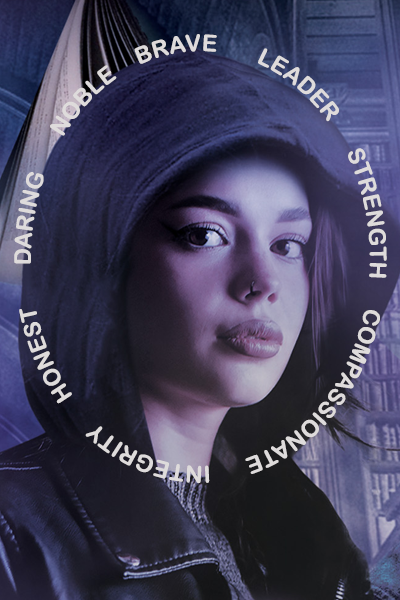
With this in mind, I thought I’d share an excerpt for a character from Book 4 Lost Beginnings who had this exact same feeling.
Mira’s drive to work
The next morning, Mira Cornwalth was driving to work, listening to the radio. It was depressing, like the weather. Rain hammered the windows of her old SUV, par for the course really in the temperate rainforest of Vancouver’s North Shore. She mused to herself, as she did often, why she was here.
She slowed, approaching a red light at an intersection. She knew the logical train of events leading up to now, but there always seemed to be something that she’d missed in her story. Perhaps it was the rain and greyness of the day that soured her mood. She was also late, again, and wanting to get through the traffic faster.
The lights changed and she grew impatient with the car in front not moving.
“Come on,” she moaned. She ‘bipped’ her car horn “It’s green!”
The man in the car in front gestured angrily out of the window.
Mira lowered the window in response and shouted back. “Really!” She got a spatter of driving rain in response, and quickly closed it again.
The car started moving and Mira took the opportunity to move into the left lane, hoping to get past the driver.
She turned up the radio, as the traffic report started. She’d already been caught up in one slow line because of a flooded lane. She was hoping to avoid another delay. Her boss would not be happy with her tardiness again, and she was fed up with making the same excuse.
She pulled up at another red light, this time turning right and at the head of the line. Fortunately, no-one was crossing but her fifteen-year-old SUV decided to sputter and die on her.
“No, no,” Mira complained. “Come on,” she urged, gripping the wheel with one hand while trying the ignition again.
A car horn behind her bipped.
“Yeah, well, I deserved that,” she said to herself, seeing the irony of the situation. “Come on,” she urged the car again.
She closed her eyes, rubbed her hands and placed them on the steering wheel.
There was a flash of words running around the rim and then down the steering column and into the ignition. The car sparked into life as a second car horn beeped her from behind.
“Yeah, yeah,” Mira replied, gesturing her irritation with her hands. She shifted the car into gear and started to make the turn. “Jeez.”The next morning, Mira Cornwalth was driving to work, listening to the radio. It was depressing, like the weather. Rain hammered the windows of her old SUV, par for the course really in the temperate rainforest of Vancouver’s North Shore. She mused to herself, as she did often, why she was here.
She slowed, approaching a red light at an intersection. She knew the logical train of events leading up to now, but there always seemed to be something that she’d missed in her story. Perhaps it was the rain and greyness of the day that soured her mood. She was also late, again, and wanting to get through the traffic faster.
The lights changed and she grew impatient with the car in front not moving.
“Come on,” she moaned. She ‘bipped’ her car horn “It’s green!”
The man in the car in front gestured angrily out of the window.
Mira lowered the window in response and shouted back. “Really!” She got a spatter of driving rain in response, and quickly closed it again.
The car started moving and Mira took the opportunity to move into the left lane, hoping to get past the driver.
She turned up the radio, as the traffic report started. She’d already been caught up in one slow line because of a flooded lane. She was hoping to avoid another delay. Her boss would not be happy with her tardiness again, and she was fed up with making the same excuse.
She pulled up at another red light, this time turning right and at the head of the line. Fortunately, no-one was crossing but her fifteen-year-old SUV decided to sputter and die on her.
“No, no,” Mira complained. “Come on,” she urged, gripping the wheel with one hand while trying the ignition again.
A car horn behind her bipped.
“Yeah, well, I deserved that,” she said to herself, seeing the irony of the situation. “Come on,” she urged the car again.
She closed her eyes, rubbed her hands and placed them on the steering wheel.
There was a flash of words running around the rim and then down the steering column and into the ignition. The car sparked into life as a second car horn beeped her from behind.
“Yeah, yeah,” Mira replied, gesturing her irritation with her hands. She shifted the car into gear and started to make the turn. “Jeez.”
Hopes and dreams can get lost in the day to day
When we need to focus on the detail of our day-to-day activities, we lose sight of bigger picture dreams and plans. We don’t have the time or energy to get to them. Before we know it, tomorrow becomes a week and we catch ourselves self berating when we have a moment of space and stillness.
Typically, our working life involves our rational, logical, right side of the brain. Even if our occupation is creative in nature, there’s planning and organising, and that’s without considering all the other tasks in life as parents, adults, homeowners etc. It takes time and energy and can become overwhelming quickly, preventing us from getting to that extra thing that’s for us. We lose grip of our plans despite our best efforts.
Making it sustainable
From my own life, I know that letting go of a goal but having a sustainable practice is key to moving forwards with any dream and plan. With my own writing, I started out with setting aside an hour a week, typically on a Sunday morning. I didn’t set a goal for how much I needed to achieve each session, nor how long I might take to write a novel. I just sat and wrote. I found that I enjoyed the practice, it fit into my life, and I was rewarded with what I was able to create over time. These three things have not only enabled me to sustain it and make it a habit, but I find it’s something I look forward to each week, and it’s something that I continue with today.
Ultimately, dreams and plans don’t have to get lost in the day to day if you can find even some small way to include them in your week.
How will you make your dreams and plans sustainable in 2026?
Now turning it over to you, what plans and dreams do you have for 2026? And how will you make time for a sustainable practice in your week to start to progress towards these? Feel free to share in the comments below.
And, to learn more about Mira’s adventures in the realms, buy and read Book 4 The Lost Beginnings. P.S. You’ll want to read books 1 to 3 too as that helps give the background for the other characters. All the books are available on Amazon in paperback and kindle editions. Click the button below to go to your country’s Amazon store.
Follow us on social media for the latest news and updates…